
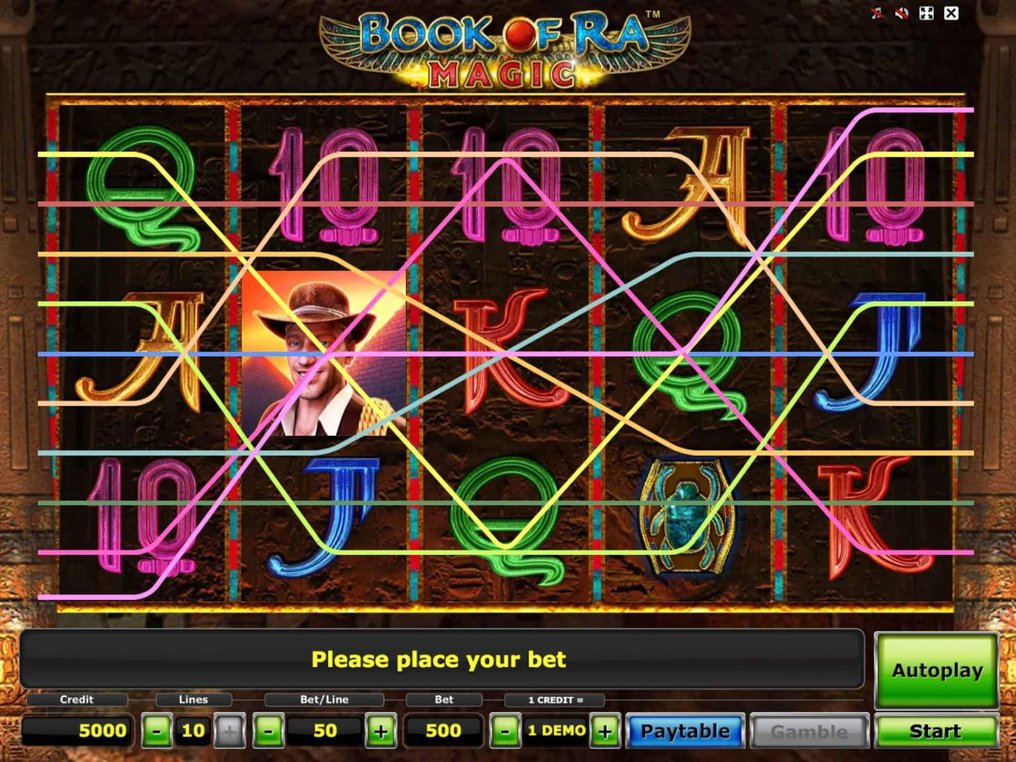
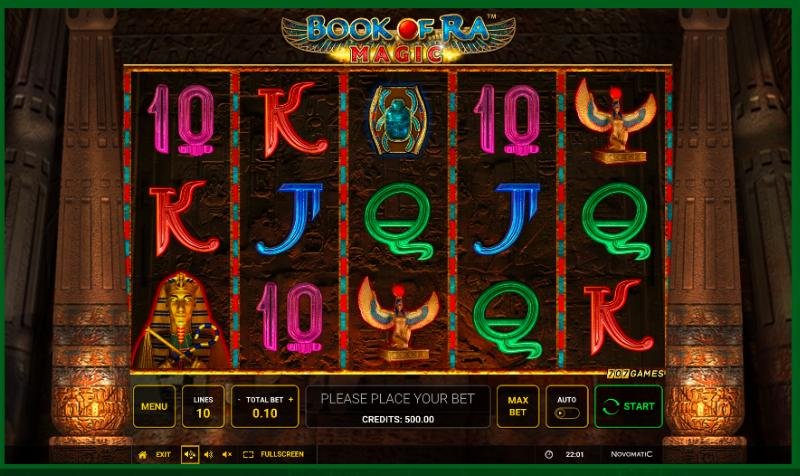





Book Of Ra Magic

Book Of Ra Magic Slot Demo In Netherlands

Practice without real stakes, explore bonus rounds and set limits so you start calmly and consciously in Netherlands.

Book Of Ra Magic demo
Book Of Ra Magic play
Book Of Ra Magic

Why Book Of Ra Magic Demo Is Useful In Netherlands

A demo mode is ideal if you first want to feel how a slot “plays” before committing to anything. Imagine: you only have ten minutes, you want to spin a few times and understand if the game holds your attention. In such a short session, you learn a lot: where your settings are, how fast the rounds feel, and if you tend to speed up yourself.

In 2026, many people play more often in small blocks, on mobile in between, and later for a longer time on PC. Precisely then it's useful to explore a game first without pressure. You're not just testing the interface, you're also testing your own behavior: do you automatically click through, or can you pause at a moment of your choosing? That sounds minor, but it determines whether you play relaxed later or get carried away.

For players in the Netherlands, participation in games of chance is intended for adults, and you must adhere to local rules. Therefore, it pays to build a routine from the start that fits responsible play: short sessions, clear stopping points, and no “just one more” without a plan. If you find it hard to stop, that's not a criticism – it's information you can use to make your settings and breaks smarter.

Book Of Ra Magic

How To Start A Gaming Session On Mobile And PC

The start sets the tone for your entire session. Imagine: you're on the couch, your phone screen is bright, and you're tapping faster than you intended. Then the game suddenly feels rushed, even though you were looking for relaxation. A better start is simple: set your screen comfortably, consciously choose your pace, and make your session short enough to stay focused.

On mobile, it's about clarity. You want to see your stake and settings at a glance, otherwise you'll compensate with quick taps, which makes you restless. On PC, it's the opposite: you have more calm and space, but you can also get into a clicking rhythm faster because everything runs so smoothly. Therefore, include a pause moment in your plan from the start, so you don't accidentally end up in a long flow.

Another practical step many players skip: decide beforehand whether you play with sound. Sometimes soft sound helps to keep your attention, sometimes it's stimulating. Try both in short blocks and choose what works for you. And if you later decide to play for real, complete account matters (registration and any checks) separately, so your gaming session doesn't turn into “just sorting this out”.

Book Of Ra Magic

What You Test Before You Play Seriously

A good trial run doesn't feel like aimless spinning, but like a short exploration with a checklist. Imagine: you don't want to be surprised later by a setting you can't find or a pace that makes you restless. So, you test three things in order now: controls, rhythm, and stopping point.

Start with the basics: where is the game info, how do you adjust settings, how do you pause, and how do you exit without hassle. Only then do you look at your playing style. Many people only discover late that they start clicking faster as soon as something exciting happens. If you notice that now, you can lower your pace and keep your sessions shorter.

Also try to vary consciously without overdoing it. A small difference in speed or animations can significantly change your sense of control. The goal is not “maximum testing”, but “honest feeling”. If after a short series you already notice that you are becoming impatient, that is the perfect moment to stop and adjust your plan.

Understanding Pace And Rhythm Without Autopilot

Pace is the fastest way to gain or lose control. Imagine: you start calmly, but after a few rounds you notice your hand is already clicking before your brain catches up. That's not a mistake, that's a signal. Lower the speed, play a short series, and see if your attention returns.

Test the difference between manual spinning and a short automatic series. Manual forces you into micro-choices, making it easier to stay conscious. Automatic can be comfortable, but it increases the chance of you getting “into a tunnel”. If after a block you no longer know exactly what you just did, then automatic spinning is probably something to limit later.

Make stopping a skill. Choose a fixed finish line, for example after a short series, and then truly stop. The more often you practice that, the less dependent you will be on willpower later.

Finding Buttons, Game Info And Settings Quickly

If they don't understand something, many players keep spinning “until it becomes clear on its own”. Imagine: you're looking for the explanation of symbols, can't find it, and then assume you'll just feel it. That's precisely when a session becomes longer than you intended. Solve it now by consciously opening all important menus once.

Find where you change your stake, where your speed is set, and how to return to the game without stress. Briefly read how the game explains its features, so you don't have to guess based on assumptions later. You don't have to memorize long texts; you just need to know where to check it when you need it.

Also simplify your betting routine immediately. Choose one basic bet and stick with it. If you constantly adjust, you create restlessness and are more likely to play based on emotion. Still want to test something? Change it consciously once, play a short series, and return to your base.

Quick Mobile Check for Overview and Typos

On mobile, misclicks are the biggest disruption. Imagine: you tap just next to a button, you correct it, and your pace shoots up. Hold your device straight, play with a relaxed grip, and check if your stake, balance, and settings are clearly visible.

If you find yourself often mis-tapping, don't force it. Reduce your speed, choose a calmer moment, or switch to PC. Smart playing also means choosing the device that supports your control.

Calm PC Check for Focus and Pause Moments

On PC, the pitfall is speed due to ease. Imagine: everything runs smoothly, so you click faster and faster without realizing it. Therefore, establish a mini-ritual: after each short series, take your hand off the mouse for a moment and choose again whether to continue.

Also check your ending. Not just closing the window, but truly concluding. This simple action prevents you from coming back “a little later” and unconsciously continuing to play.

Book Of Ra Magic play
Book Of Ra Magic

Session Management, Limits And Practical Choices

The best “strategy” is often just good session management. Imagine: you wanted to relax for a moment, but you notice you're staying longer because you haven't built in an end anywhere. Then you don't have a gambling problem, but a structure problem. Solve that with three fixed choices: session duration, pace, and budget.

In the Netherlands, it is important to stay within the applicable rules and only play if you meet the legal age. That doesn't have to be a heavy message; it's mainly a practical reminder: don't play when you are rushed or tired, and use tools if you find stopping difficult. Think of breaks, time limits, and possibly longer interruptions.

Make everything small and predictable. Short sessions may feel less “exciting”, but they actually provide peace of mind and prevent impulsive decisions. And peace of mind is the basis of responsible play.

Part Of Your Session

What You Set

What It Solves

Useful Habit

Session Duration

Timer or fixed end point

Continuing to play endlessly

Stop after one short series

Playing Pace

Calm or normal

Clicking on autopilot

Only speed up after a break

Betting Pattern

One base bet

Impulsive increases

Change a maximum of once

Pause moment

Short break after block

Tunnel vision

Stand up for a moment or drink water

Account security

Strong password, extra security

Stress and recovery work

Arrange this before your session

Support contact

Ask questions when friction arises

Irritation that leads to continued play

Ask for help and then close

Timers and Stop Rituals You Actually Stick To

A timer only works if you link an action to it. Imagine: you hear the signal and you think “just one more round”. That one round often becomes ten. Make your rule simple: signal means closing. No negotiation, just finish.

Choose a stop ritual that doesn't feel overdone. Put your phone away, close the game, and walk to another room for a moment. The goal is to get your brain out of the flow, so you can consciously choose again. If you notice you're constantly ignoring the timer, make your sessions shorter or take a longer break.

Stopping on time is not a discipline trick; it's a routine. The more often you repeat it, the less effort it takes.

Keeping Budget and Stakes Calm Without Frustration

Budget problems often start with one thought: “I'll just raise it a bit, then I'll feel more.” Imagine you just had a good round and you want to scale up because the momentum feels right. That's precisely when you should slow down. Keep your stake stable and only change it after a break, not in the middle of emotion.

Treat your budget as entertainment costs. Not as something that needs to be recouped. As soon as you start thinking about “getting it back”, your session becomes heavier, and you'll push harder more quickly. A simple rule helps: make money decisions before or after the session, never in the middle.

If you notice you're becoming restless due to your own thoughts, that's often the best time to stop. Calm is the signal that you're fine, tension is often the signal to pause.

Time-Outs and Interruptions as Rest Buttons

Many players wait to pause until it feels too late. Imagine: you notice you're clicking faster and stopping seems like a “waste”. That's exactly the moment for an interruption. Take a short time-out, do something else, and only come back when you are neutral again.

A longer break is sometimes smarter than “just trying a bit more”. If you repeatedly break your own rules, make it easier for yourself by choosing stricter breaks. It's not about being strict; it's about staying calm.

And if you play to push away stress, consciously choose to distance yourself. Playing should feel light, not like an outlet where you disappear into.

Book Of Ra Magic

Top casinos for playing Book Of Ra Magic - current list

ALF Casino

ALF Casino

Mafia Casino

Mafia Casino

SG Casino

SG Casino

Retro Bet

Retro Bet

leovegas

LeoVegas

Book Of Ra Magic

From Practice To Real Play In 2026

The transition from practice to real money changes your focus. Imagine: in practice mode, you were relaxed, but as soon as money is involved, you start clicking faster and doubting more often. That's normal. That's why you take a small and controlled step: short session, low stake, calm pace.

Complete all “administration” beforehand. Registration, settings, choosing a payment method - it's better to do that outside your playing time, otherwise you mix relaxation with stress. If you play in Netherlands, you stay within the applicable rules and take into account the legal age limits. Make it practical: only play when you are focused, and stop as soon as you notice your impulses taking over.

A mature routine is not complicated. It's mainly consistent: you start with a plan, you keep it simple, and you finish on time.

Registration And Account Security Without Haste

Haste makes mistakes. Imagine: you quickly create an account, choose an easy password, and think you'll change it later. Later rarely comes. Choose a strong password immediately, keep your data secure, and enable extra security if possible.

Also take some time to check where your settings for limits and breaks are. Many people only look for them when they are already restless. By finding them beforehand, your session will be calmer later.

If something is unclear, ask directly via support. Uncertainty often leads to “then I'll just keep playing,” and that's exactly what you want to avoid.

Depositing With A Plan Instead Of An Impulse

The best deposit is the one you don't have to revise. Imagine: you deposit an amount, your session goes differently than you hoped, and you immediately want to deposit more to “fix” the feeling. That's a classic tipping point. Therefore, make one rule: no extra deposit in the same session.

Choose an amount you can truly afford to lose and treat it as entertainment. Keep your stake calm and don't be guided by short peaks. If you notice you want to increase it because you're seeking excitement, take a break first and choose again.

Simple is stronger than clever here. The less you have to decide while playing, the smaller the chance that emotion will take over.

Handling Withdrawals Without Restlessness

Restlessness around withdrawals often comes from expectations. Imagine: you request a withdrawal and expect it to be processed immediately, but it takes longer. Then you start worrying and sometimes even play again “to stay busy.” Rather choose calm: accept that processing can vary by method and internal controls.

Keep your data consistent and don't experiment with multiple changes at once. If something is unclear, use support for clarification instead of guessing yourself. The goal is for withdrawing to feel like a clean conclusion, not a trigger to continue.

And if you notice that restlessness makes you want to play anyway, first distance yourself. A break prevents you from making decisions out of frustration.

Support, Breaks And Self-Control In Practice

Support isn't just for technical glitches. Imagine: you can't find a setting, you get irritated, and you click faster. In that case, support is precisely a quick solution: you ask one question, get clarity, and close your session as planned.

Self-control works best when you don't rely on willpower. Use timers, breaks, and limits as tools, not as punishment. If you notice you're constantly breaking your own rules, opt for longer interruptions.

Playing should remain light. As soon as it becomes heavy, stopping is the smartest action.
image

Common Mistakes You Can Easily Avoid

Most mistakes are predictable. Imagine: you start without a plan, you speed up because it's “going well,” and you only stop when you're tired. That's not bad luck; that's a lack of structure. The solution is always the same: reduce, slow down, conclude.

Another mistake is playing at the wrong time. Tired, rushed, irritated - that's when you act more impulsively. Rather choose a moment when you truly have space, even if it's only ten minutes. And if you notice you're still restless, use a break option and quit.

Finally: tinkering with your stake too often. That feels like taking control, but often it's emotion in action. Stick to one base stake and let the session run calmly.

A Short Checklist For Your Next Session

Imagine you want to start without immediately having to “turn on” your brain. Do this: set a timer, keep a calm pace, choose one base stake, play one short series, and then conclude. Only after concluding do you decide if you want another short series.

If you follow this checklist, stopping will become easier automatically. You don't have to play perfectly, you just have to be consistent. And being consistent means: your session gets a beginning and an end that you choose.

In 2026, that is the most realistic form of responsible gaming: simple, repeatable, and without drama.

FAQ

How do I start practicing without using money?

Choose the play mode without real stakes, immediately set a short session duration, and start at a calm pace so you don't automatically click through. Imagine you just want to feel if the game feels pleasant: play one short series, then open the game info to find buttons and explanations, and then close. By keeping it small, you learn faster and prevent “just testing it out” from unknowingly becoming a long session.

Which settings provide the most sense of control?

Start with a normal pace, a fixed base stake, and breaks after short blocks, because this allows you to consciously choose anew each time. Imagine you notice you speed up as soon as it feels exciting: then lower your speed and limit automatic sequences, so you don't end up in a tunnel. If your platform offers limits or break options, use them as an extra safety net, but primarily rely on your own timer and stopping ritual.

When do I know it's better to stop?

Look for signals such as clicking faster for no reason, the feeling that stopping is “a shame,” and repeating “just one more round.” Imagine your shoulders are tense and you notice you're not really paying attention anymore: that's the moment to close and walk away from the screen. Stopping on time isn't strict; it's precisely what keeps a session light and manageable.

How do I keep my stake stable without always wanting to increase it?

Choose one base stake for the entire session and agree with yourself that you may only consider a change after a break, never in the middle of an emotional peak. Imagine that after a fun round, you want to scale up because it feels good: wait a moment, breathe out, and check if it still fits your plan. That small delay removes impulse from your decision and keeps your session calmer.

What do I do if I play to suppress stress?

Immediately distance yourself and take a break, because playing out of stress often leads to playing longer and having less control. Imagine you notice you're not playing for fun but to quiet your mind: close, do something physical like drinking water or taking a walk, and only later decide if you still want to play. If this happens more often, opt for longer breaks and use stricter limits so that playing becomes a conscious choice again.

How do I play responsibly in Netherlands without figuring everything out?

Keep it practical: only play within the applicable rules, only if you meet the legal age, and build a routine with short sessions, a timer, and a clear stopping action. Imagine you notice you're constantly pushing your own limits: then take a time-out or a longer break, so you don't continue playing out of habit. In practice, responsible gaming is mainly about: simple planning, calm execution, and finishing on time.

Play Now
🇬🇧 English